Neurodivergence, ADHD & Rejection Sensitive Dysphoria
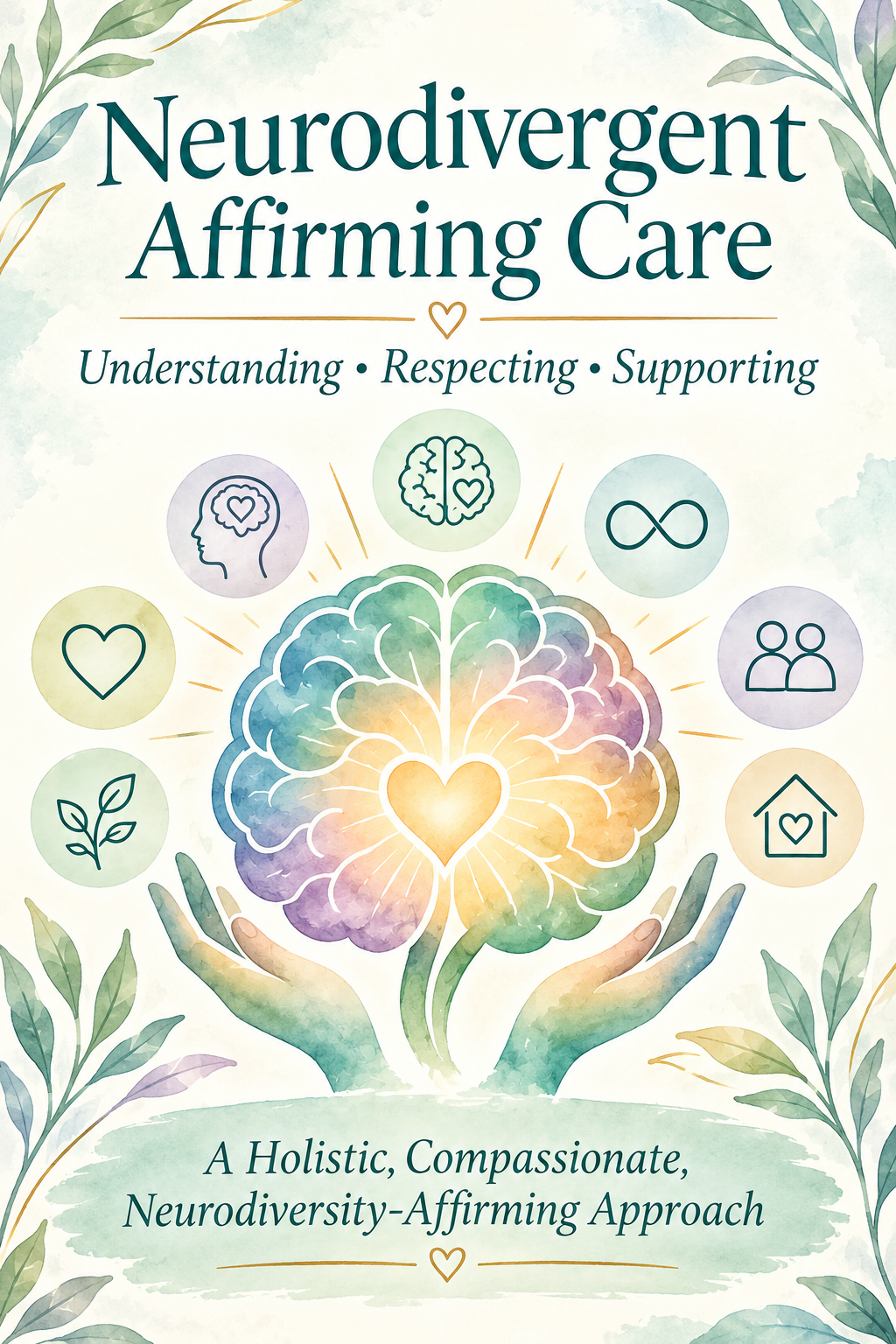
Compassionate, Holistic, and Neurodiversity-Affirming care
Living in a world designed primarily around neurotypical ways of thinking, communicating, regulating, and relating can be exhausting. ADHD and other forms of neurodivergence can affect far more than attention or productivity—they can shape relationships, emotional regulation, self-esteem, sensory experiences, communication, and the way you experience yourself in the world.
At Undivided Heart Counseling, we offer holistic, compassionate, and neurodiversity-affirming therapy for adolescents and adults navigating ADHD, neurodivergence, Rejection Sensitive Dysphoria (RSD), and the emotional and relational challenges that can accompany them.
Rather than viewing neurodivergence as something that needs to be “fixed,” we work toward understanding your unique nervous system, honoring the way your brain works, and developing strategies that support you without requiring you to constantly mask who you are.
ADHD & Neurodivergence
ADHD and neurodivergence can show up in many different ways, including:
Difficulty with executive functioning, organization, or follow-through
Time blindness and difficulty managing time
Emotional intensity or difficulty regulating emotions
Sensory sensitivity or overwhelm
Hyperfocus, burnout, or fluctuating energy
Difficulty transitioning between tasks
Feeling chronically overwhelmed by everyday demands
Shame around procrastination or perceived “underachievement”
Communication differences or feeling misunderstood
Masking and exhaustion from trying to appear “more typical”
Challenges with friendships, dating, marriage, parenting, or work
A lifelong sense of being “too much,” “not enough,” or somehow different
For many neurodivergent individuals, years of being misunderstood can contribute to shame, anxiety, perfectionism, people-pleasing, or disconnection from their authentic selves. Therapy can become a place to make sense of these experiences rather than continuing to blame yourself for them.
Rejection Sensitive Dysphoria (RSD)
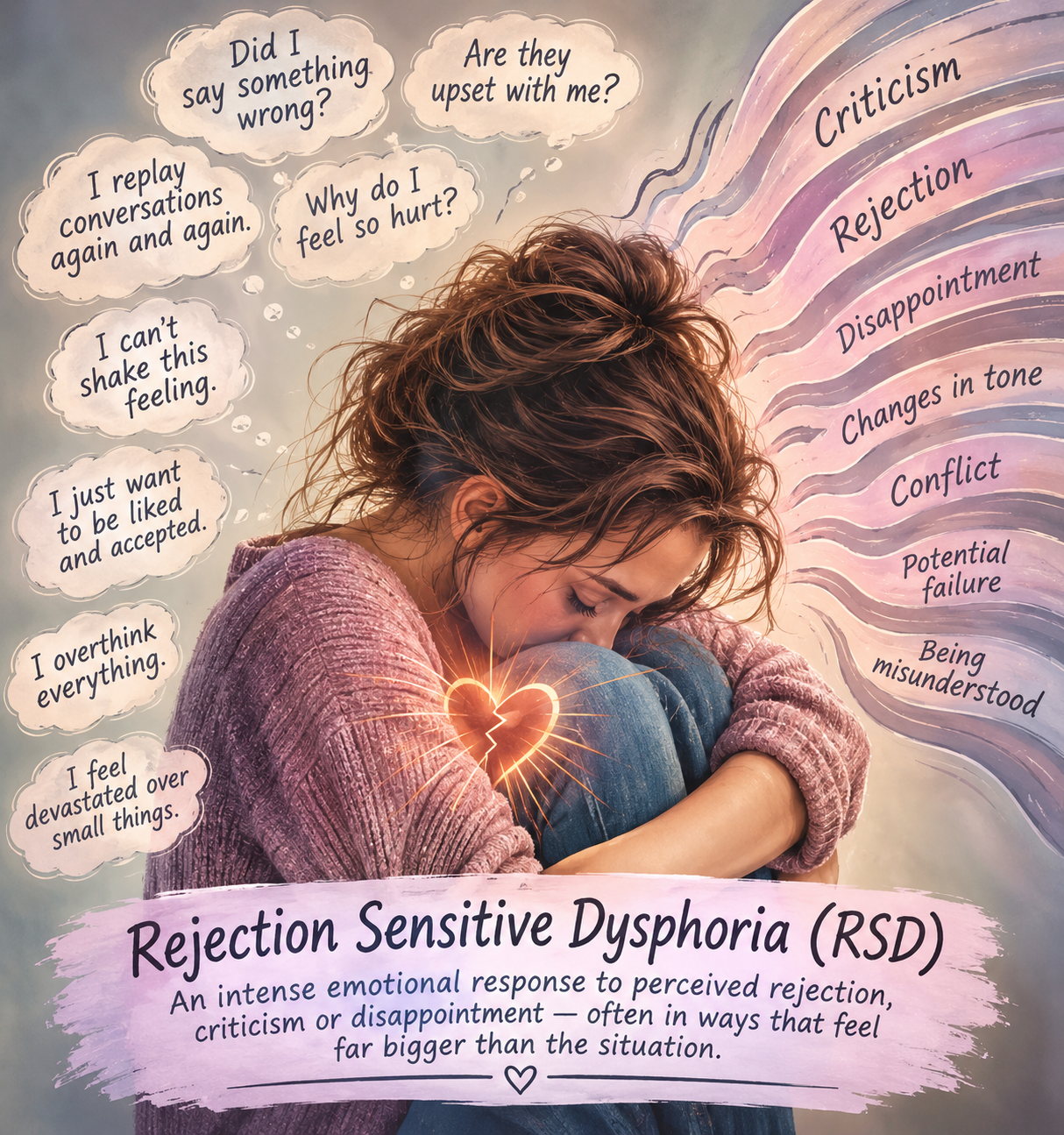
For some neurodivergent individuals—particularly those with ADHD—the experience of perceived rejection, criticism, disappointment, or failure can feel extraordinarily intense.
You may find yourself:
Replaying conversations long after they happen
Feeling devastated by criticism, even when it was relatively minor
Assuming someone is upset with you when you aren't sure
Experiencing intense shame when you make a mistake
Becoming highly sensitive to changes in someone's tone or behavior
Avoiding situations where you might fail or be rejected
People-pleasing or overexplaining to prevent conflict
Suddenly withdrawing when you feel hurt
Experiencing emotional pain that feels disproportionate to the situation
RSD is not an official psychiatric diagnosis, but the experience of intense rejection-related emotional pain is very real for many people with ADHD and other forms of neurodivergence.
Our approach is not to tell you that you are “overreacting.” Instead, we explore what your nervous system is responding to, what experiences may have shaped that response, and how you can develop greater flexibility, self-compassion, and security in relationships.
Neurodivergence & Relationships
Neurodivergence can have a profound impact on intimate relationships. Partners may genuinely love one another while repeatedly getting caught in painful patterns of misunderstanding.
One partner may experience:
“You don't listen to me.”
while the other experiences:
“Nothing I do is ever good enough.”
Differences in communication, sensory needs, emotional regulation, executive functioning, social processing, and expectations can create recurring cycles of pursuit and withdrawal, criticism and defensiveness, or shame and disconnection.
Pamela has completed specialized training through The Couples Institute in working with neurodivergent couples and incorporates a neurodiversity-affirming perspective into couples therapy. Rather than asking one partner to become more “normal,” we work together to understand the relationship system and the different ways each person's brain and nervous system influence the cycle.
Specialized Training & Lived Experience
Our clinicians bring a variety of professional backgrounds and areas of specialization to neurodivergence-affirming care.
Pamela Harms, LPC, LCPC is an ADHD-CCSP (ADHD–Certified Clinical Services Provider). She has completed EMDRIA training in working with neurodivergence and Rejection Sensitive Dysphoria and specialized training through The Couples Institute in working with neurodivergent couples.
Pamela also identifies as neurodivergent and brings both professional training and lived experience to this work, including the experience of raising neurodivergent children.
While lived experience can offer valuable understanding, Pamela recognizes that no two neurodivergent individuals have the same experience. Her approach is grounded in curiosity rather than assumptions, creating space to understand each person's unique brain, nervous system, strengths, challenges, and story.
Other clinicians within our practice may have different levels of training and experience with ADHD and neurodivergence, so we encourage you to ask about a clinician's specific training and areas of expertise when choosing a therapist.
A Whole-Person Approach
Our approach integrates neurodiversity-affirming therapy with trauma-informed and holistic care. Depending on your needs and your clinician's training, therapy may incorporate approaches such as EMDR, Internal Family Systems (IFS), somatic and nervous-system regulation practices, mindfulness, and other evidence-informed approaches.
We may explore not only:
“How can I manage my ADHD?”
but also:
What happened to me because of the way my brain works?
What have I learned to believe about myself?
Where am I masking or abandoning my own needs?
What does my nervous system need to feel safe?
How have past experiences shaped my responses to rejection or criticism?
How can I build relationships where I can be more fully myself?
How can I develop strategies that work with my brain rather than against it?
Our goal is not simply symptom management. It is helping you develop a more compassionate understanding of yourself, strengthen your relationships, reduce shame, and build a life that accommodates your nervous system rather than continually asking you to override it.
You don't need to become less neurodivergent to belong.
You deserve support that helps you understand yourself—not shame yourself.
If you're looking for a therapist who approaches neurodivergence with professional training, compassion, curiosity, and genuine respect for lived experience, we would be glad to help you find the right fit within our practice.