Can Pain Reprocessing Therapy Help Fibromyalgia?
New research suggests that Pain Reprocessing Therapy (PRT) may help people with fibromyalgia by retraining the brain and nervous system to respond differently to pain and sensory signals. A recent pilot study found meaningful improvements in pain, daily functioning, and fear of pain—offering encouraging preliminary evidence for this gentle, neuroscience-informed approach.

Healing From Spiritual Abuse and Religious Trauma: A Compassionate Path Forward
Grounding. Grieving. Releasing stored emotion. Exploring beliefs. Rebuilding trust.
Healing from spiritual abuse is about coming home to yourself. It is slow, sacred work—and every step you take is evidence that your story is moving toward wholeness.
What Is Religious Trauma? Understanding Its Impact on Mind, Body, and Spirit
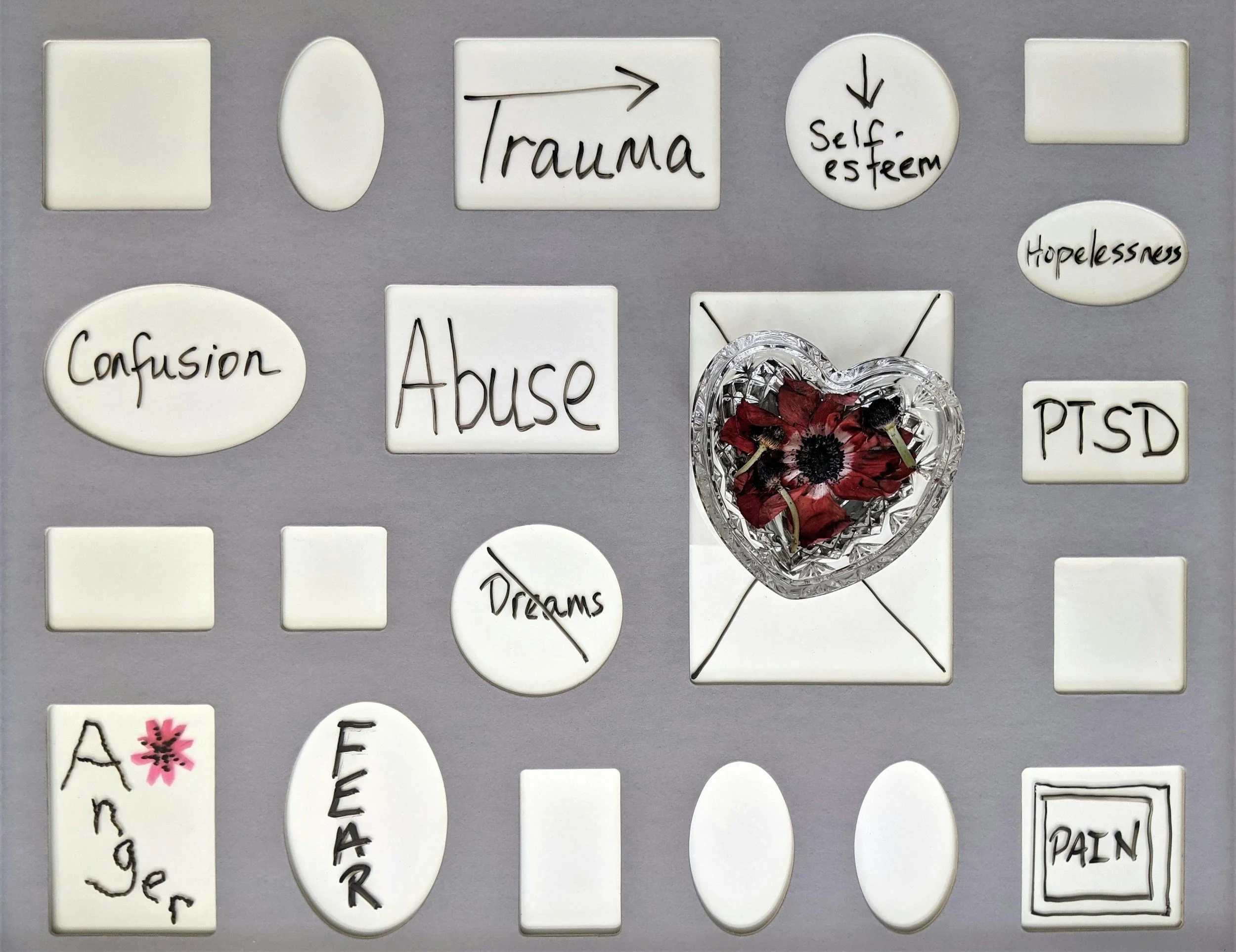
Religious trauma can show up as anxiety, depression, chronic shame, loss of identity, or even physical symptoms like chronic pain or sleep issues. As Dr. Gabor Maté says, “Trauma is what we hold inside in the absence of an empathetic witness.” Your pain makes sense—and you deserve spaces that validate your experience.

Understanding Spiritual Abuse: Characteristics and the Religious Power & Control Wheel
Spiritual abuse often hides in plain sight. It looks like unquestioned authority, weaponized scripture, suppression of doubts, and a culture where leaders are never held accountable. Naming these patterns isn’t divisive—it’s the first step toward healing and freedom.